Each robotaxi has to solve two separate problems: drive safely without a person at the wheel, and run a service that people can use every day. The future of robotaxis will depend less on a polished test ride than on where the system works, how it handles failures, and who pays when a trip goes wrong.
Quick read:
- Robotaxis will start with mapped areas, fixed rules, and limited weather conditions.
- Remote staff can respond to unusual situations, but they can't replace safe driving software.
The first services will have clear boundaries
The service needs a defined operating area. That area includes the roads, speed limits, weather range, vehicle type, and traffic situations the software has been built to handle. Engineers often call this the operational design domain, or ODD.
A narrow ODD makes the service easier to test. The robotaxi may run on selected roads, avoid heavy snow, and stop when sensors cannot read the road well enough.
Each limit can feel restrictive to passengers, but it gives the company a condition it can measure and improve. The same rule applies to pickup points. Even a vehicle that can drive across a city still needs safe places to stop, load passengers, and leave the curb without blocking traffic.
A trip may fail because the destination is easy to reach but the pickup point is badly placed.
The hard part is the strange situation
Driving along a familiar road is only one part of the job. The vehicle also has to respond when a delivery van blocks a lane, a cyclist moves into its path, or road signs disagree with the map. These events force the vehicle to combine cameras, radar, LiDAR, maps, and planning software.
LiDAR measures distance with laser pulses. Cameras read color, shapes, and signs. Radar can help measure the position and movement of objects. Using several sensor types gives the robotaxi more information, but it also creates more software to test when those sensors disagree.
A safe system needs a clear response when confidence falls. It may slow down, pull over, request remote staff, or end the trip. Remote assistance can guide a vehicle through a rare case, but the vehicle still has to remain safe while waiting for that response.
A remote handoff can keep a trip safe, but it can also leave a passenger waiting at the curb. Robotaxi reporting from Robot 24 can place that wait beside the vehicle’s stop reason and the operator’s response. The next test is service: does the ride still work when a safe stop takes time?
The service has to work for passengers
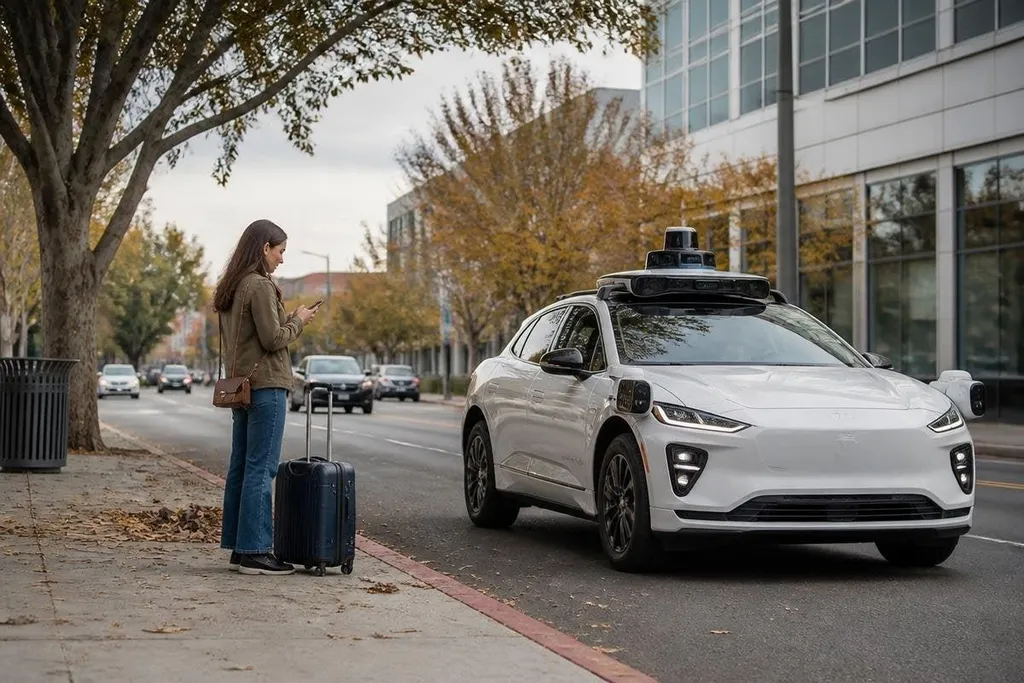
Passengers will judge a robotaxi by ordinary details. They need to know where the vehicle will stop, how to enter the trip, what happens if the route changes, and how to contact staff. A person with luggage or a mobility aid may need more time and a larger pickup area than the software expects.
Clean operation matters too. A vehicle that drives safely but stops far from the curb creates a poor service. The cabin needs clear controls for stopping the trip, contacting staff, and reporting a problem. Those controls must work without a phone if a passenger cannot use one.
Cost will shape adoption. Each trip has to cover the vehicle, sensors, software, charging, cleaning, insurance, remote staff, and maintenance. Removing the driver changes the cost structure, but it doesn't remove the rest of the work.
I’d judge a robotaxi service by its worst routine failure, not its smoothest ride.
What happens next
The next stage will likely look less like a citywide switch and more like a gradual expansion. A service can add roads, weather conditions, pickup points, or vehicle types after it has enough evidence from the area it already runs.
That expansion needs public records, safety reports, clear incident handling, and honest limits. A launch announcement can show that a vehicle moved passengers. It cannot prove that the service works across every road, season, or traffic condition.
Use this checklist when judging a robotaxi claim:
- Check the operating area. Is the service limited to named roads or zones?
- Check the weather rules. Does it run during rain, fog, ice, or snow?
- Check human response. Can staff respond, and what does the vehicle do while waiting?
- Check the pickup process. Are stops safe for passengers and other road users?
- Check the failure record. Does the company publish stopped trips, crashes, and service limits?
The useful question is not when every car will drive itself. It is which route can support a robotaxi service safely, repeatedly, and at a price passengers will accept.